April 2, 2026
I’m writing from 39,000 feet with a 100-mile-an-hour tail wind somewhere above the Pacific Ocean enroute from the Philippines to Seattle. My heart is overflowing with gratitude, my mind bursting with amazement, and my body is pretty tired. In the past five weeks I’ve been in Colombia, India, and the Philippines doing what I love – teaching and training people to cross cultures with the gospel.
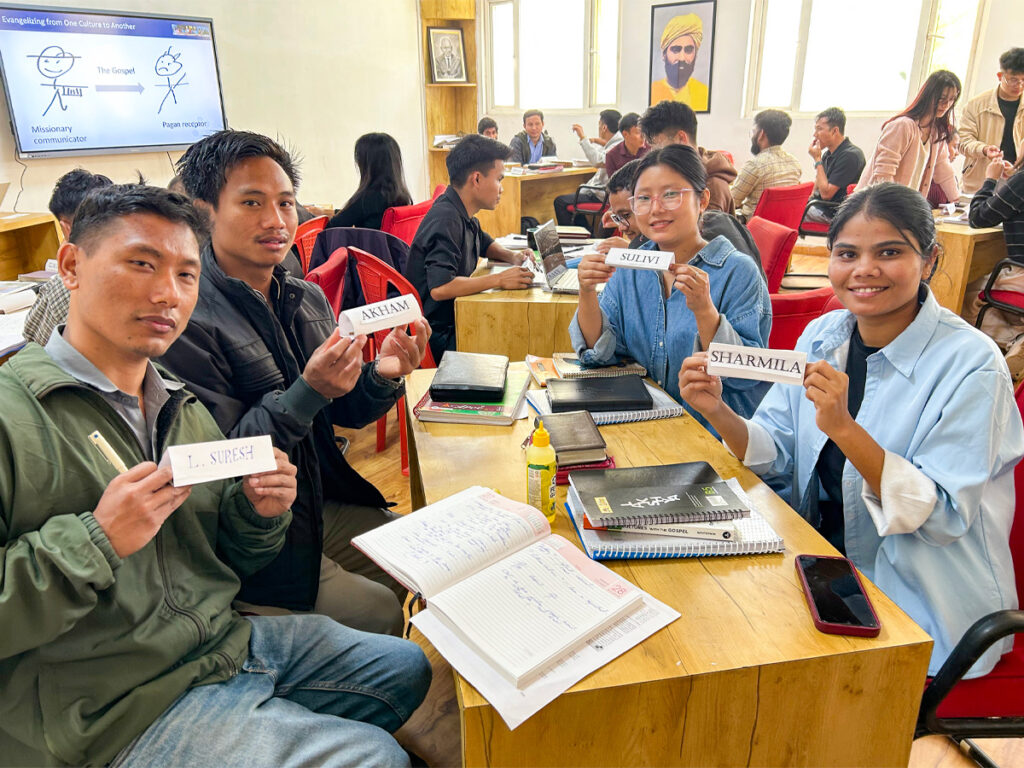
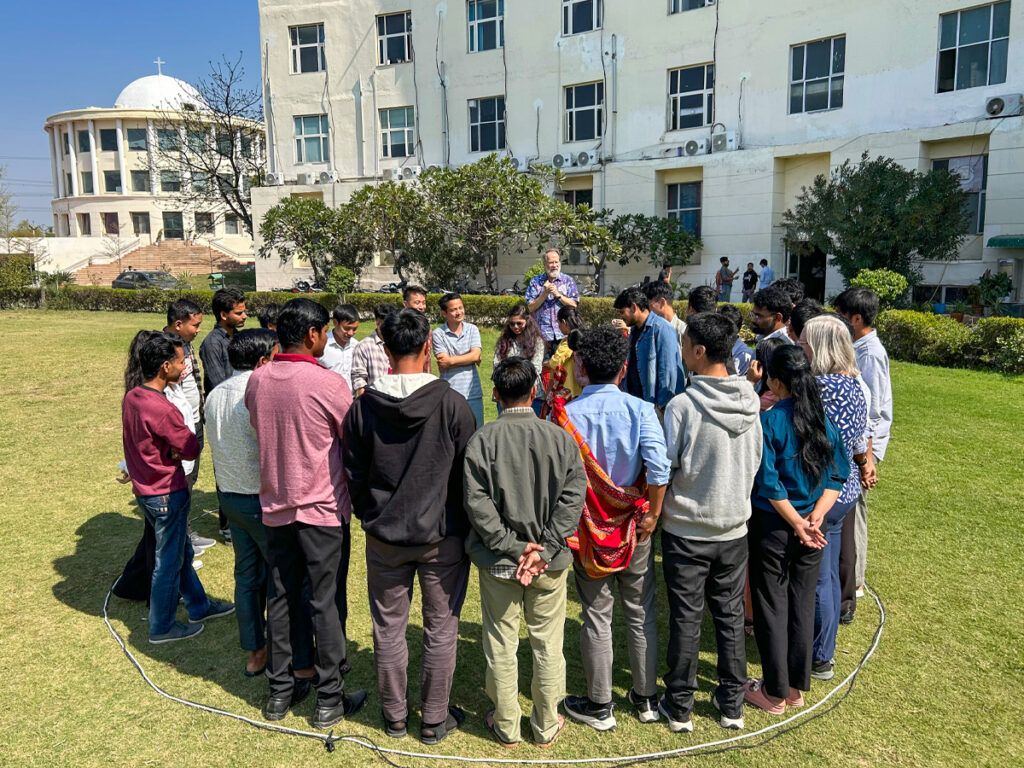
I’m building on fifty years of experience as a cultural anthropologist, exploring what happens when the gospel travels across cultures and impacts people and their societies. My teaching is rather simple: “Tell the story of Jesus and then live as if you believed it was true. As best you can, leave your culture at home when interacting and living with those who are different from yourself. Don’t tell people that they need to change their culture (to become like yours). That’s the work of the Holy Spirit; it’s not our job.”
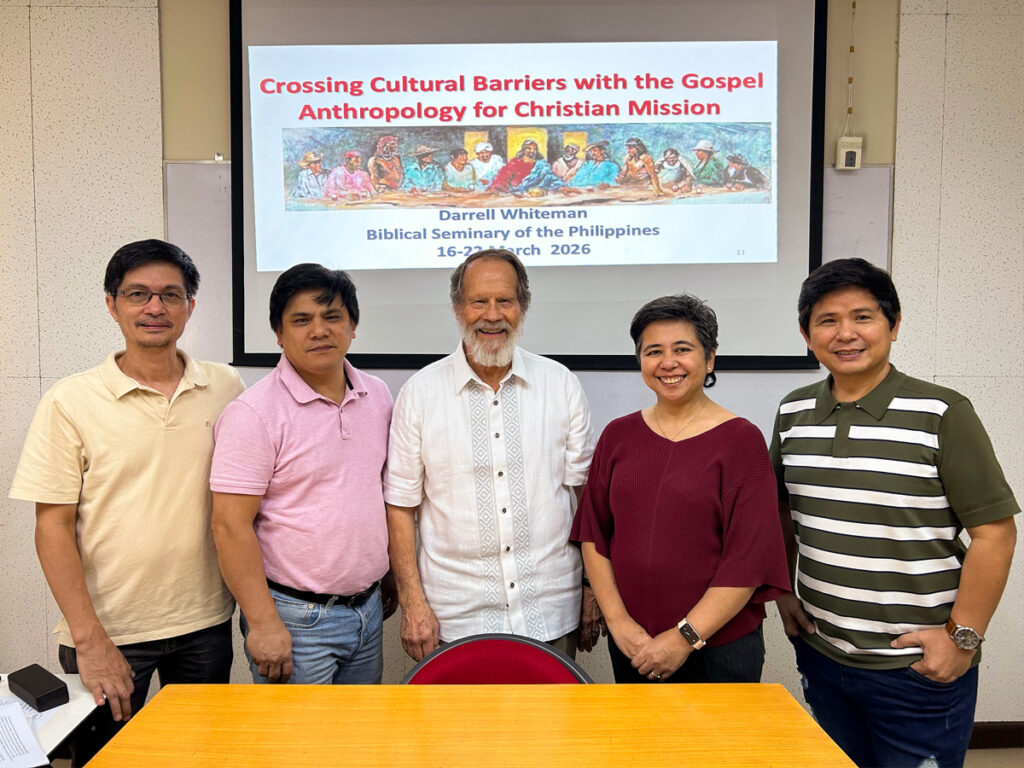
I’ve been amazed to see how people in all these different settings have responded to my teaching as they begin to get a fresh understanding of what God calls us to do when we cross cultures with the gospel. Contrary to popular belief, it’s not to try and convince people to change their culture and religion. In the Philippines, I had a class of doctoral students with lots of experience, but my teaching and anthropological perspective on mission was a whole new way of thinking for them. It helped them to understand some of their past mistakes, and gave them a fresh vision for doing ministry differently in the future.
Whether they’re young students or seasoned missionaries, often the only way they have understood how to participate in cross-cultural ministry is the way the missionaries generations before them did it. This has frequently left the impression that Christianity is a foreign, westernized religion. And when that happens, it doesn’t go deep to the bone and “transform people inwardly by a complete change of their worldview” (Romans 12:2). After a couple generations of practicing this kind of Christianity that doesn’t relate deeply to people in their social and cultural context, people often become nominal Christians – Christian in name only. Of course, we have the same problem in our own country, don’t we?
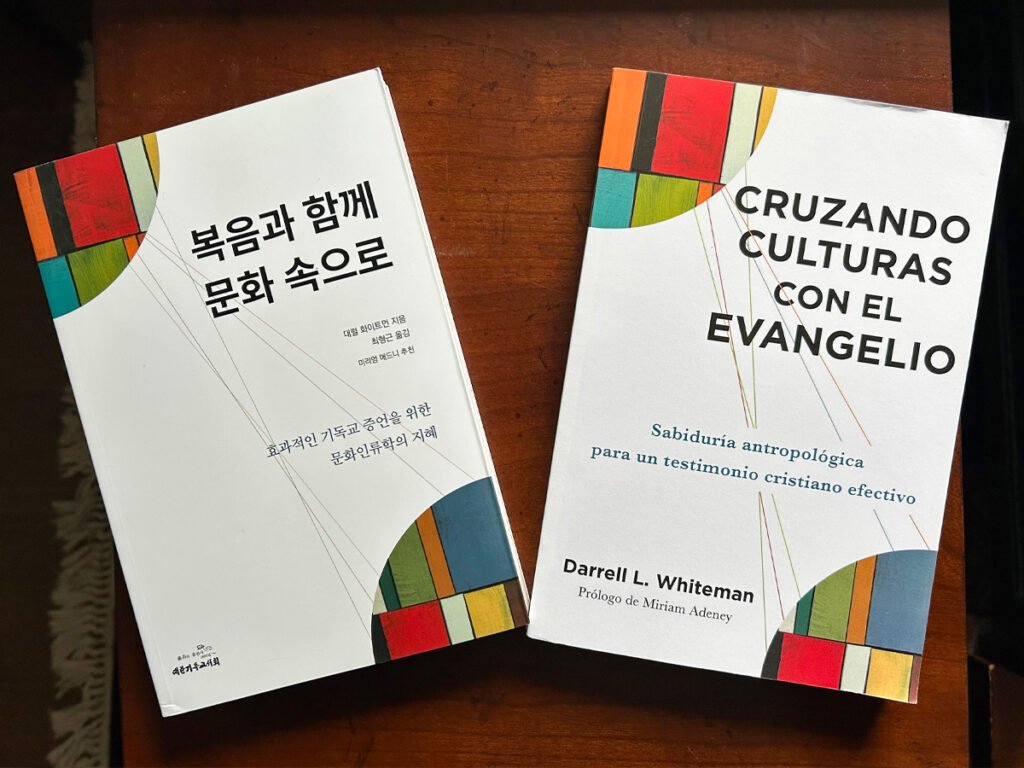
Now for an update on my recent book, Crossing Cultures with the Gospel: Anthropological Wisdom for Effective Christian Witness (2024). I was asked to bring as many copies as I could to the Philippines, so I brought 24 copies from India, where they cost only $2.50 instead of $25 on Amazon. After the first day, they were gone.
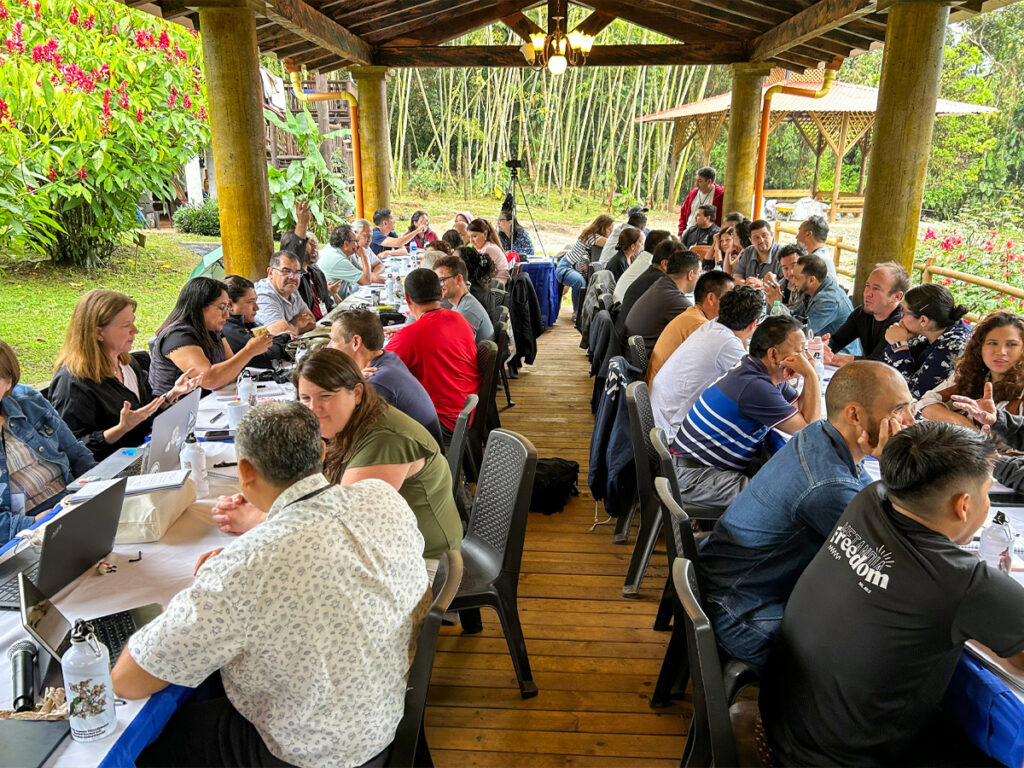
While I was in India, a man from Hyderabad came to Delhi to meet with me about translating my book into his language of Telugu – one of the four major languages in India, spoken by over 80 million people in India and 104 million worldwide. He wants me to come this fall for the launch of the book in Telugu and teach a day-long seminar to pastors and missionaries. he Hindi translation is complete, as is the Chinese translation, and both will be published this year. The 70 Latin American Free Methodist Church leaders from 18 countries, with whom I spent three days in Colombia in February, were grateful to have it in Spanish.
I have a full schedule ahead of me for the rest of the year, but in May I’ll take a break from teaching and speaking and walk another 125-mile section of the Camino de Santiago across northern Spain. There will be six of us this year, and we’ll enjoy our time together as well as meet other interesting pilgrims from all over the world trekking the Camino. Next year, we’ll do the last leg of the 500-mile pilgrimage, and I’ll walk into Santiago Compostela when I’m 80. I’m looking forward to that. 🙂
Thank you for reading this newsletter and for being a part of this ministry. I appreciate your prayers and encouragement that enables me to keep going. Thank you so much and blessings on you.
Cordially,
Darrell Whiteman